Liquor Store.
Case breaks, age checks, and high-SKU inventory — purpose-built for package stores.
Built For You, Configured By Us.
KORONA-class inventory for bottles, cases, and mixed pricing, with mandatory ID prompts at the lane.
Dual pricing is especially popular in this vertical — ask why.
- ★Inventory & barcode managementTrack thousands of SKUs, matrix items by size and color, and manage receiving, counts, and shrink from the same screen your staff already uses.
- ★Gift cards & loyalty built inBranded gift cards and loyalty programs turn one-time shoppers into regulars — set up and running without a separate vendor or extra hardware.
- ★eCommerce sync availableKeep brick-and-mortar and online inventory in lockstep with WooPOS-style sync, so you sell one catalog everywhere without overselling stock.
- ★Multi-location reportingRoll up sales, margin by category, and dead-stock reporting across every store, with per-location user permissions and one consolidated view.
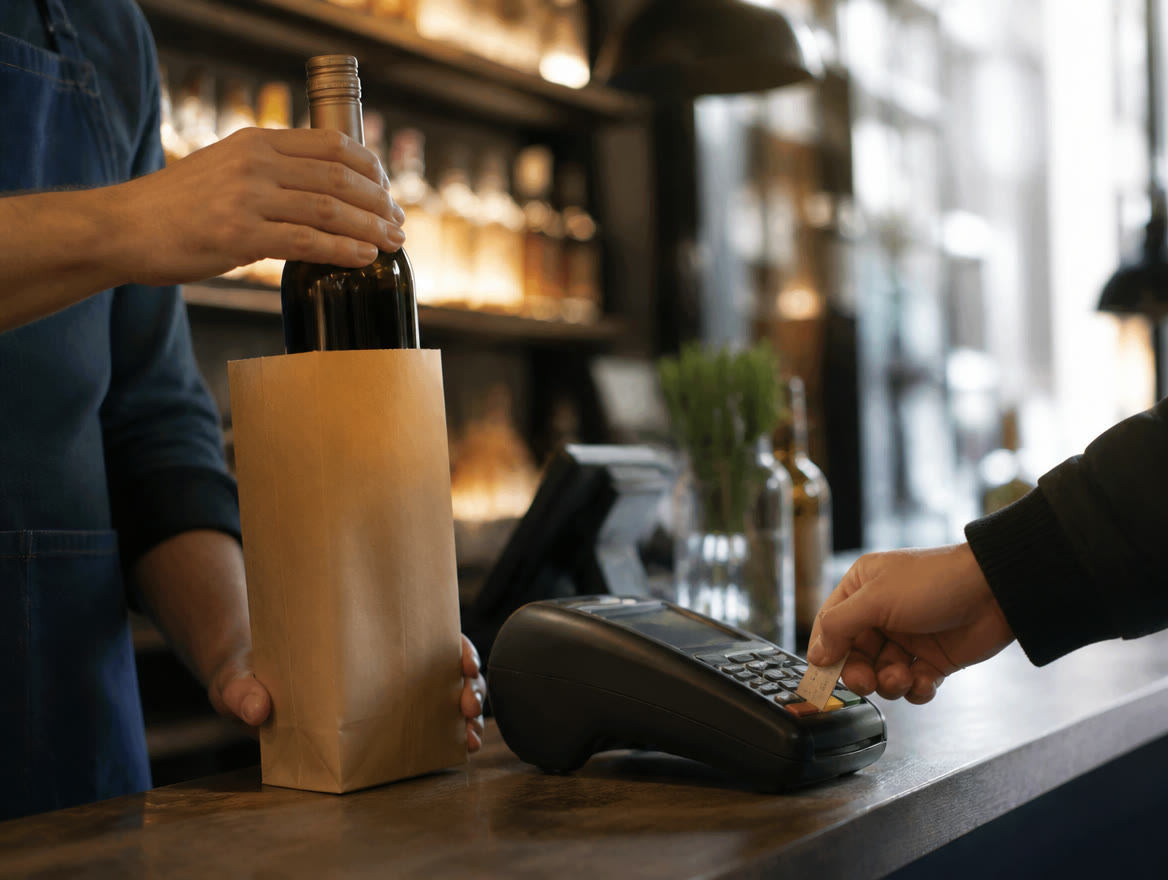
What It’s Really Like To Run A Liquor Store.
Running a package store means running a regulated business with retail hours. TABC rules shape your week — what you sell, when you sell it, and the paperwork that proves it. Inside the store it’s case-break math: you buy by the case, sell by the bottle, and your POS has to keep both counts straight or your inventory is fiction by Friday. Add keg deposits, allocated bourbon lists your regulars call about weekly, and the eternal ID check that protects the license everything depends on.
Payments carry their own compliance weight here. Every single card sale needs an age check the register should enforce, not suggest. Volume spikes hard before holidays and game days, and a Saturday-evening terminal failure in a store that can’t legally open Sunday morning hurts twice. Card fees compound on a business where the state already sets much of your cost structure, and cash-heavy operations bring their own counting, shrink, and deposit headaches.
For a store selling a case bought wholesale and sold bottle by bottle, a 3% card fee on every bottle compounds into your margin twelve times per case.
Where Payments Hurt
- ★Age verification depends on cashier discipline unless the POS enforces it
- ★Case-break inventory drifts when payments and stock counts live apart
- ★Holiday and game-day spikes overwhelm a single aging terminal
- ★Card fees stack on a margin structure the state already constrains
How Lone Star Fixes It
- ★KORONA POS — built for liquor retail with case-break tracking, enforced ID scanning, and TABC-friendly reporting
- ★Dual pricing with compliant Texas signage, so the card price carries the card cost — details in our Texas surcharge and dual pricing guide
- ★Rugged PAX or Valor terminals with a backup unit before the holiday rush, plus same day funding for heavy weekends
- ★A free statement review from a Dallas / Ft. Worth-based team that works with package stores across DFW
Liquor Store Owners Ask Us
Can the POS force an ID scan on every sale?
Yes — KORONA POS can require a scanned, validated ID before any age-restricted transaction completes. It turns your best policy into your only workflow, which is what protects the license when a new cashier is on the counter.
Is dual pricing allowed for liquor stores in Texas?
Yes. Texas permits posting a cash price and a card price with proper disclosure, and it’s popular in package stores where margins are tight. Lone Star’s Dallas / Ft. Worth-based team programs the terminal and supplies compliant signage.
What if my terminal dies on a Saturday night?
Call our Dallas / Ft. Worth-based support line — not a national queue. We can often fix or reprogram remotely on the spot, and we recommend holiday-season merchants keep a preconfigured backup terminal, which we can provide.
Explore Retail
Ready To See It In Action?
Call (214) 838-1818 and a specialist will walk you through the right setup for your business — and ask about up to $5,000 to upgrade your POS.