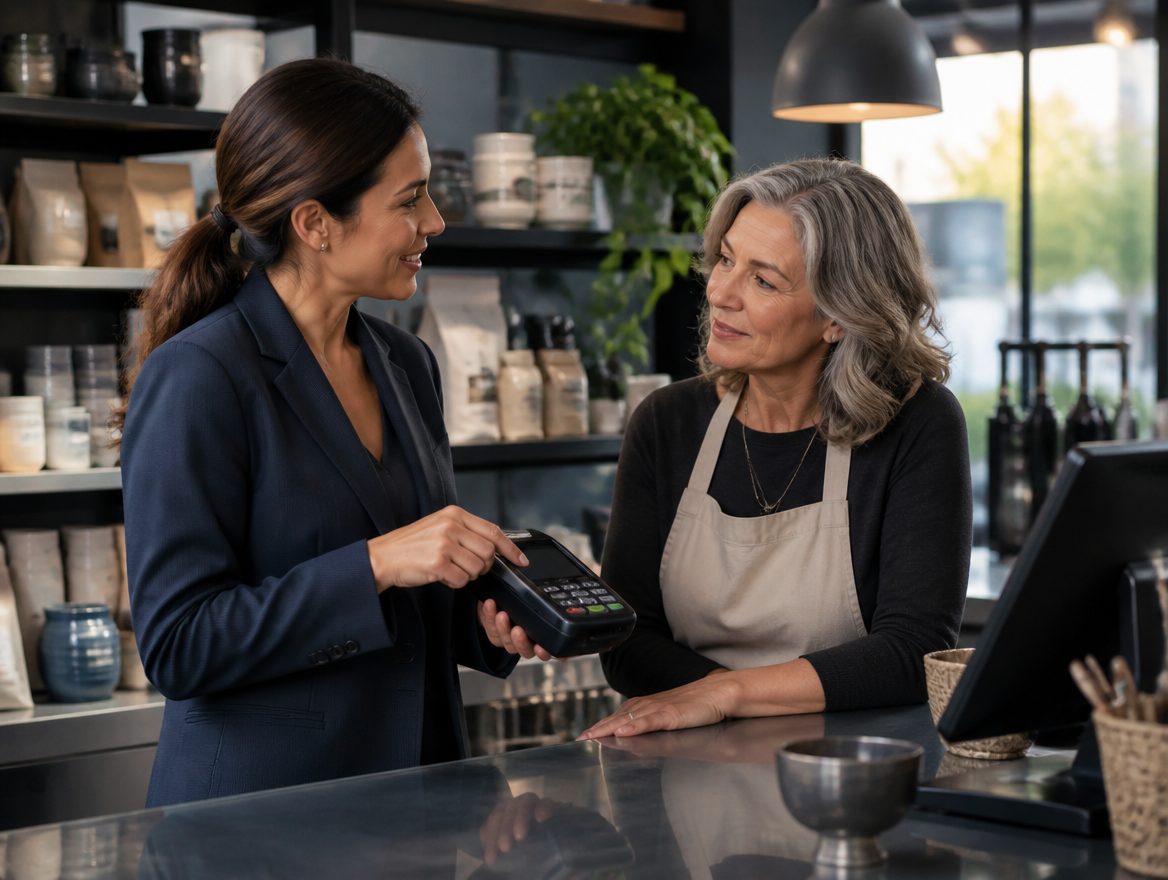
Dual Pricing Program.
Show a cash price and a card price — and dramatically reduce your processing expenses, compliantly.
Built For You, Configured By Us.
Dual pricing displays two prices on every item so the cost of card acceptance is transparent instead of buried in your margins. Done correctly it's fully compliant with card-brand rules — the configuration is what trips merchants up.
Lone Star Payments does all the heavy lifting: hardware, software, receipts, and signage, configured and verified. You just watch the processing line on your P&L shrink.
- ★Transparent statementsInterchange-plus pricing you can audit line by line — volume, interchange, markup, and fees laid out so you always know your true effective rate.
- ★No long-term lock-inNo liquidated-damages traps or auto-renewing multi-year terms. We keep you by earning it every month, not by holding your contract hostage.
- ★Dallas / Ft. Worth-based live supportCall (214) 838-1818 and a real human in Dallas / Ft. Worth answers — named departments for sales, tech, and success, not an offshore ticket queue or a bot.
- ★Configured for you end to endDual pricing, PCI, hardware, receipts, and signage are set up and verified by us — you get a working, compliant system, not a manual and good luck.
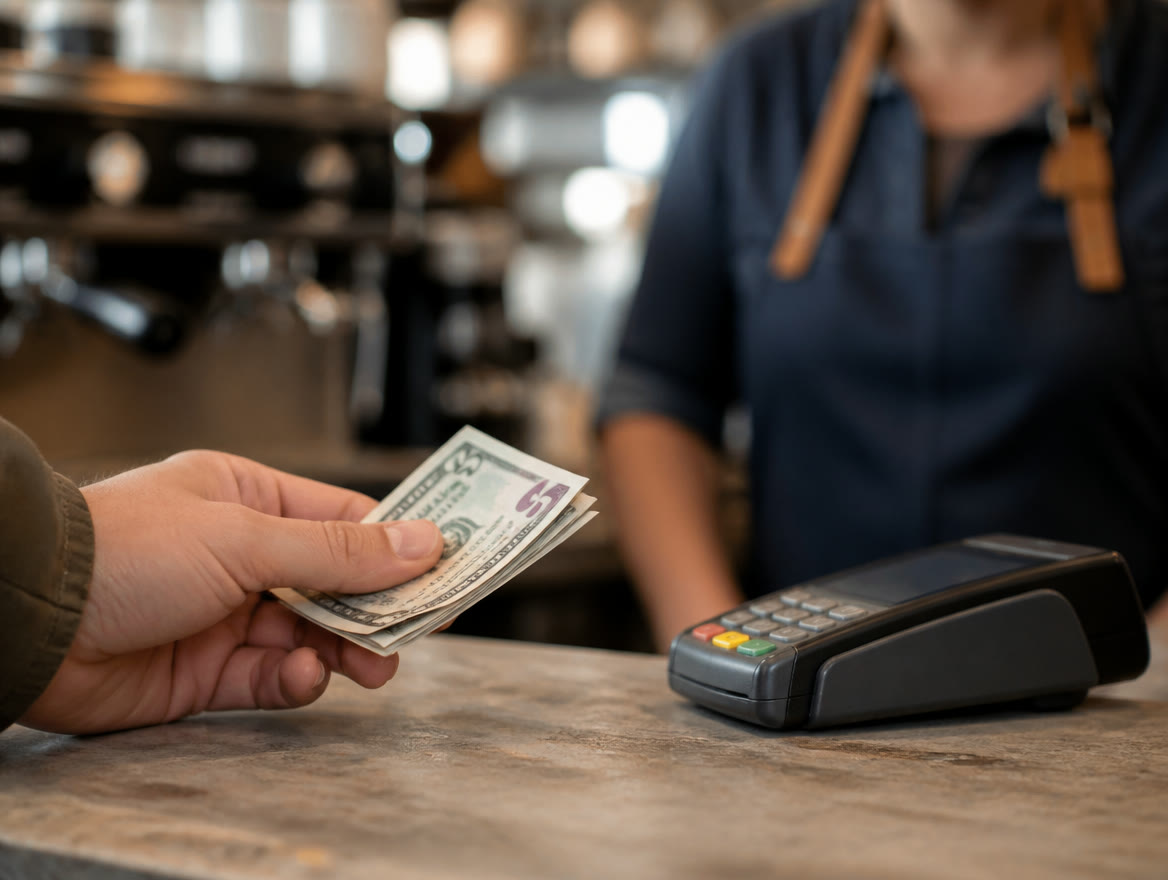
The Program That Moves Card Costs Off Your P&L.
Dual pricing is a program where you post two prices — a cash price and a card price — and the customer’s payment choice determines which they pay. The card price carries the cost of acceptance; the cash price doesn’t. It’s the cleanest of the fee-offset models because nothing is added at the register — both prices are disclosed up front, on the shelf, the menu, and the terminal screen. It fits nearly any Texas business tired of processing fees living rent-free in the P&L.
What changes at the counter is less than owners fear. The terminal shows both prices, the customer picks, and the receipt reflects it — no cashier speech required. What changes in the back office is the point: the line item that used to skim every deposit shrinks dramatically, and month-end margins stop depending on how many customers happened to tap a rewards card. Done with proper signage and programming, it’s quiet, disclosed, and boring in the best way.
Most merchants on our dual pricing program offset 80–95% of their processing costs — the remainder depends on card mix and how the program is configured.
Problems It Solves
- ★Processing fees quietly taking a percentage of every single card sale
- ★Rewards cards costing you more while the customer earns the points
- ★Raising sticker prices on everyone to cover costs created by some
- ★DIY surcharge attempts that risk non-compliant signage and receipts
How We Run It
- ★Terminal programming, shelf and door signage, and receipt formatting all configured compliantly — grounded in our Texas surcharge law guide
- ★A plain-English walkthrough of how dual pricing differs from surcharging and cash discounting — see the comparison
- ★Staff talk-track and launch support from our Dallas / Ft. Worth team for the first week’s questions
- ★A free statement review first, so you see the exact dollars the program would offset
Dual Pricing Questions, Answered
Is dual pricing legal in Texas?
Yes — posting a cash price and a card price is permitted when both prices are properly disclosed before payment. The compliance risk lives in sloppy execution: hidden fees added at the register, missing signage, or receipts that don’t match. Our setup handles the disclosure details so the program is done the right way.
Will my customers push back?
Some will ask questions the first week; almost all adjust quickly, because gas stations trained everyone on cash-versus-card pricing years ago. Clear signage and a terminal that shows both prices do the explaining. Merchants across DFW tell us the pushback they feared mostly never materialized.
How is this different from a surcharge?
A surcharge adds a fee to a card transaction; dual pricing posts two complete prices and lets the customer choose. The distinction matters legally and matters to customers — nothing is “added on” at checkout. Our comparison guide covers the differences, and our Dallas / Ft. Worth team will tell you honestly which fits your business.
Explore Programs
Ready To See It In Action?
Call (214) 838-1818 and a specialist will walk you through the right setup for your business — and ask about up to $5,000 to upgrade your POS.